Damaged Passport: When You Need to Replace It
Water damage, torn pages, or a bent chip — find out exactly when a damaged passport needs replacing and how to apply in person before your next flight.
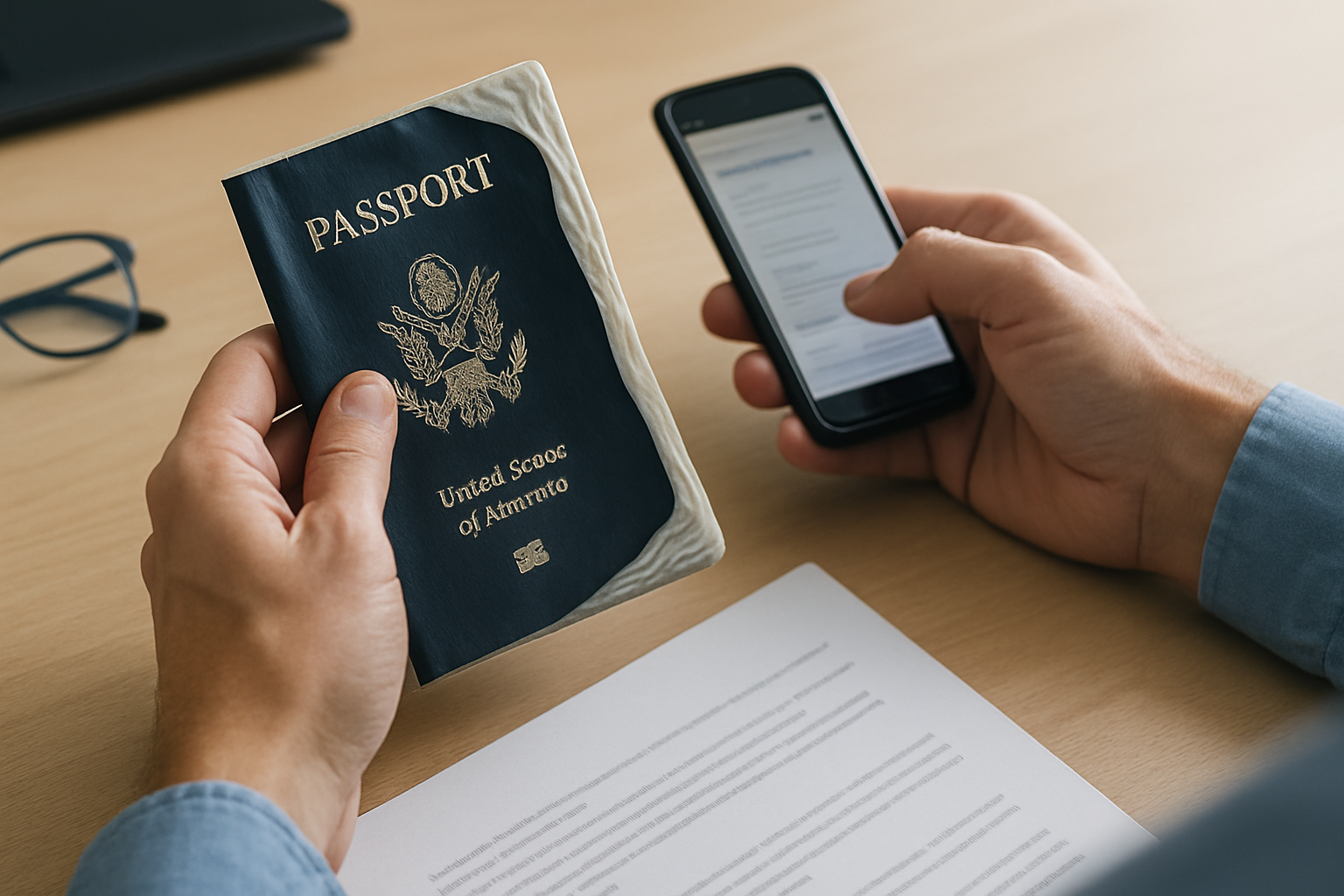
TL;DR
A damaged passport can get you turned away at the airport — even on a domestic flight. If your passport has water damage, torn pages, a failing chip, or anything that makes the photo or data page hard to read, replace it before you travel. You must apply in person using DS-11; the mail-in DS-82 renewal option is not available.
At a glance
- Application form: DS-11 (in person — DS-82 not allowed for damaged passports)
- Cost: $130 book fee + $35 execution fee; add $60 for expedite
- Timeline: 6–8 weeks routine, 2–3 weeks expedited
- Must bring: the damaged passport + written explanation of how it was damaged
- Required docs: DS-11, proof of citizenship, photo ID, 2 passport photos
Why this matters
CBP officers and airline staff have wide discretion when it comes to damaged passports. There is no published “damage threshold” that guarantees acceptance. An officer who can’t read your biographical data clearly, confirm your photo, or scan your chip can simply decline to process you — and you can miss your flight or be denied boarding with no recourse.
If you’re uncertain about your passport’s condition, the practical answer is: replace it. The process is well-defined, the fees are fixed, and the alternative — finding out at the airport — is far more expensive.
What counts as damage requiring replacement
The State Department’s guidance draws a line between cosmetic wear and functional damage. These examples generally require replacement:
Water damage
The most common cause. Even partial wetting can warp pages, spread ink, and render the biographical data hard to read. The RFID chip that stores your biometric data can also fail if submerged. Passports washed in a machine, dropped in a pool, caught in rain without a waterproof cover, or soaked in a bag leak all fall into this category.
Torn or detached pages
A page that is partially torn, a cover that has separated from the binding, or a photo page that is creased badly enough to obscure your face. Even a small tear on the biographical data page is enough to raise questions at a checkpoint.
Defacement or markings
Writing on the bio data page or photo, pen marks over the machine-readable zone (the two rows of text at the bottom of the biographical page), stamps applied outside official entry points, or stickers of any kind. This includes children’s stickers — a common source of problems for parents who let a toddler “decorate” a passport.
Chip damage
The RFID chip is embedded near the front cover, indicated by the small camera symbol. Bending the cover repeatedly, exposing it to strong magnets, or washing it can disable the chip. Most modern border scanners rely on the chip to verify biometric data. A chip that fails to scan will trigger secondary screening regardless of whether the photo page looks fine.
What does NOT require replacement
Normal wear from regular use is not grounds for rejection:
- Light scuffing or scratching on the cover
- Fading ink on visa and entry stamps (from high use)
- Minor creasing of interior pages from regular travel
- A slightly worn signature
The test the State Department applies is whether the biographical data page (your photo, name, date of birth, passport number) is still fully legible and the photo is still clearly identifiable as you. If the answer is yes to both, and the chip scans correctly, you’re likely fine.
When in doubt, compare your passport to a fresh one. If the difference is noticeable enough that an officer might question it, replace it.
The DS-11 requirement — no mail-in option
The key rule: damaged passports must be replaced in person using DS-11.
You cannot use DS-82 (the by-mail renewal form) even if your passport isn’t expired and you normally would qualify for mail-in renewal. This is because the State Department requires the original damaged document to be surrendered and inspected in person by an acceptance facility agent.
When you apply:
- Bring the damaged passport itself. You cannot apply without it.
- Bring a short written statement explaining how the damage occurred — “washed in laundry,” “dropped in ocean,” “water spilled in bag.” No special form is required; a note on plain paper is fine. The agent will attach it to your application.
- After your new passport is issued, the State Department returns the damaged one to you with cancellation holes punched through it. Some people keep it as a record of previous visas.
If you want help organizing your documents before heading to a passport acceptance facility, egovrush walks you through the full checklist before you leave the house.
Damage from common scenarios
Washing machine / dryer
The single most common source of passport damage. Machine washing causes water saturation and heat distortion. The chip almost always fails. If your passport went through the wash, assume it needs replacement — it’s rarely borderline.
Spilled drink or coffee
Depends on severity. A few drops that dried without distorting the bio page may be fine. A full spill that spread across the photo page or wrinkled multiple pages should be replaced.
Bent or folded passport
Putting a passport in a back pocket, sitting on it, or bending it to fit in a tight bag can damage the chip. Fold lines across the photo page can also raise questions. If the cover is severely bent or the chip area is deformed, replace it.
Child wrote in it
Any writing on the biographical data page or photo, or stickers placed there, qualifies as defacement and requires replacement. Stickers and marks on interior visa pages are a gray area but can attract scrutiny.
Common pitfalls
- Trying DS-82 for a damaged passport. The form will be rejected. You cannot mail in a damaged passport for renewal.
- Forgetting to bring the damaged passport. Without the original document, the acceptance facility cannot process your application.
- Traveling internationally with a borderline passport. The officer who turns you away is at the destination or re-entry point — which is worse than discovering the problem at home.
- Assuming a chip failure doesn’t matter. Modern automated passport control booths and many foreign border officials scan the chip. A non-reading chip causes secondary inspection delays at minimum.
- Waiting until close to a trip. Routine processing takes 6–8 weeks. Expedited takes 2–3 weeks. If your trip is within 14 days, you need a passport agency appointment.
What to do next
Look at your passport today. Hold the biographical data page under good light and confirm the photo is clearly legible, your name and number are fully readable, and the cover isn’t deformed. If any of those fail the check, start your DS-11 application now.
Start a replacement passport application at egovrush — we’ll review your documents, check your photos, and coordinate the in-person submission step so nothing delays your travel.
Sources: Lost or Damaged Passports — travel.state.gov, DS-11 Application Instructions — travel.state.gov. Fees verified April 2026.
Frequently asked questions
Can TSA or CBP turn me away for a damaged passport?
Yes. CBP officers and airline staff can reject a passport they judge too damaged to confirm your identity. There is no fixed damage threshold — it is a case-by-case determination.
Can I renew a damaged passport by mail with DS-82?
No. Damaged passports must be replaced in person using DS-11. DS-82 is not available for damaged documents regardless of the passport’s expiration date.
My passport got washed in the laundry. Is it ruined?
Almost certainly yes. Machine washing causes water damage, ink spreading, and chip failure — all of which are grounds for replacement. Apply for a new one before your next trip.
What counts as normal wear and tear?
Light cover scuffing, faded entry stamps, and minor creasing of interior pages. The test is whether your biographical data page is fully legible and the photo clearly identifiable as you.
Do I include the damaged passport in my replacement application?
Yes. You must bring the damaged passport to the acceptance facility along with a brief written explanation of the damage. The agent will cancel it and return it to you.
Need help with your passport application?
We handle the form, photo check, and tracking. Pay only after eligibility is confirmed.
Related reading
Lost your passport? Here's exactly how to report it with DS-64, apply for a replacement with DS-11, and get a new one fast — even if you travel soon.
Passport card vs book: the card costs less and fits in your wallet, but only works for land and sea travel. Here's which one you actually need in 2026.
Proof of citizenship for a U.S. passport: a certified birth certificate works for most people, but 4 other documents are accepted. Here's what the State Dept accepts.
Running out of passport pages? Since 2016 the State Dept stopped adding pages mid-term. You must renew for a new book — here's when to do it and what to request.